The Sacred Site
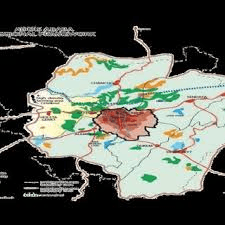
PART 1 / Location and Geography
Hora Finfinne, located in the Bulbula area of Addis Ababa/Finfinne, stands as both a physical and symbolic center of Oromo spirituality and identity. The Bulbula area gives the lake a specific locality within the city, grounding it in geography rather than myth. The dual naming — Addis Ababa/Finfinne — asserts the coexistence of two narratives: the state’s official identity and the Oromo’s ancestral claim. Hora Finfinne forms part of a broader hydrological and spiritual network that includes Hora Arsadi, Hora Sodore, and various bula (springs), which together shaped the ecological and ritual structure of the Gadaa system. Its proximity to Addis Ababa University’s College of Health Sciences presents a profound contrast: indigenous spirituality beside modern science, ancient cosmology beside contemporary rationality.

PART 2 / Historical Significance
Before 1886, Hora Finfinne was the primary Irreecha site for the indigenous Oromo clans — a thriving center of thanksgiving, governance, and ecological stewardship. The year 1886 marked a rupture: Emperor Menelik II founded Addis Ababa atop this sacred geography, displacing its original custodians. The Oromo were systematically removed from their ancestral lands, their cultural practices suppressed, and their sacred spaces absorbed by a rapidly expanding imperial capital. Yet, the lake remained — silent but witnessing. From secret family remembrances to oral storytelling, the memory of Hora Finfinne never vanished. In the 2000s, Oromo activists and cultural leaders revived the celebration of Irreecha at the site, turning memory into resistance. Today, each gathering at Hora Finfinne is both spiritual ceremony and political act.

PART 3 / Environmental Status
Hora Finfinne now faces a dual crisis — ecological and cultural. Urban expansion encroaches from every direction, with concrete and construction threatening to swallow the sacred site. Waste dumping, polluted runoff, and sewage have transformed once-pristine waters into symbols of neglect. But for the Oromo, this is not merely environmental decay; it is a spiritual violation, a breach of safuu — the moral code governing the balance between humans, nature, and Waaqa (God). In response, community activists and cultural groups have mobilized to protect the lake. Their efforts blend environmental science with indigenous spirituality, showing that conservation is not just about ecology — it is about dignity, identity, and moral continuity. Hora Finfinne has become a microcosm of global indigenous struggles.
FINIS / ORA PRO NOBIS — FINFINNEE