Historical Timeline - Unbroken Spirit
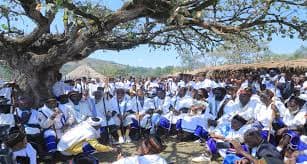
Ancient Era: The Foundation in Gadaa and Nature
Pre-colonial celebrations as part of the Gadaa system: Irreecha was the spiritual pinnacle of the Oromo's socio-political Gadaa system. The Abbaa Gadaas officiated rituals, linking governance, social order, and spirituality. Deep spiritual roots: Centered on Waaqa Tokkichaa (one God) and Ayyaana (spiritual energy), the festival embodies Safuu, the moral code linking humans, nature, and divine. Integration with agricultural cycles: Celebrated at the end of the rainy season, offerings of grass (Adda) and flowers symbolized gratitude for life and harvest, blending spiritual and economic life.
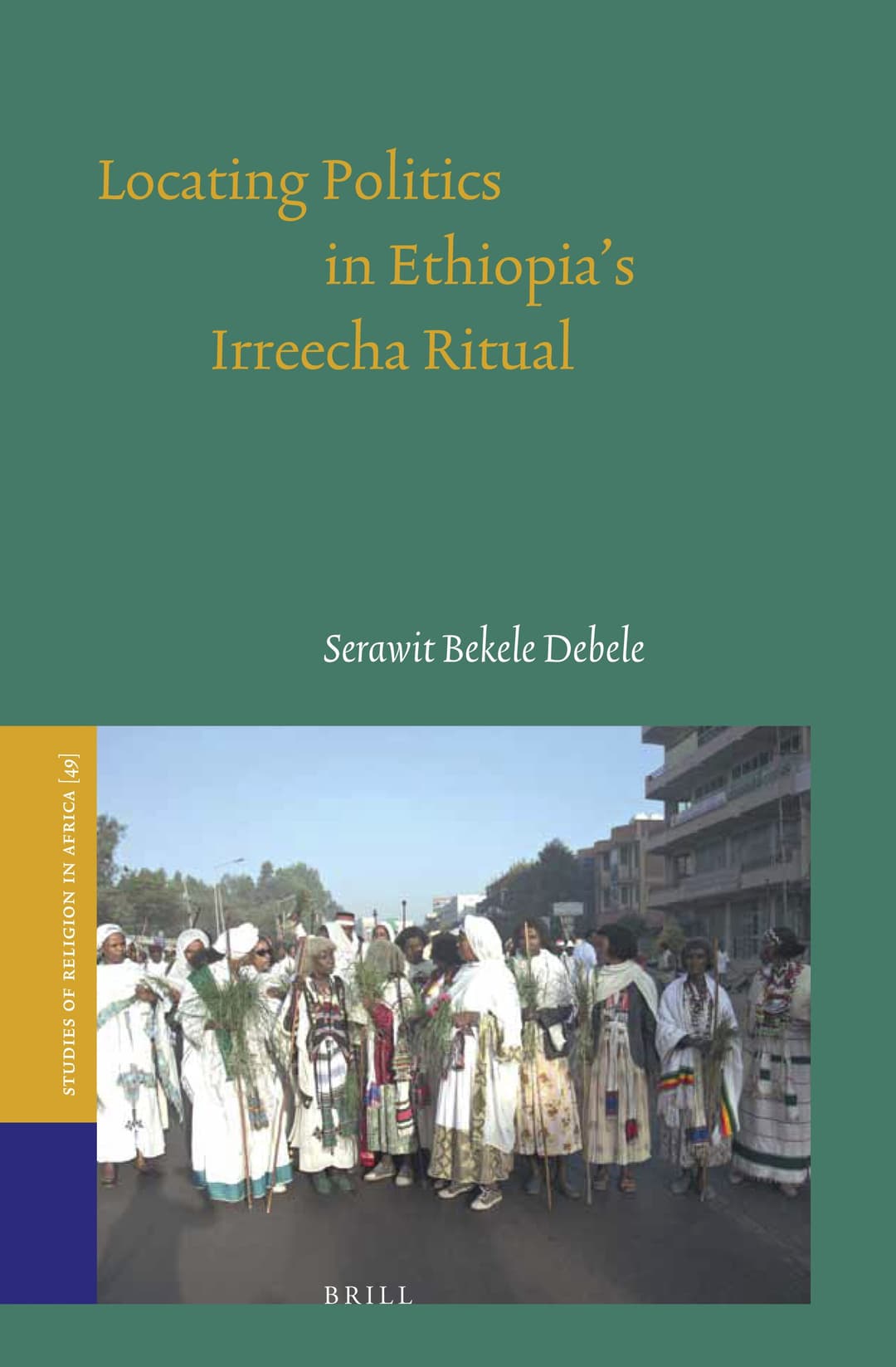
Colonial Period (1880s-1991): A Century of Resistance
1880s: Ban under the Abyssinian Empire: Emperor Menelik II’s conquest outlawed Irreecha to dismantle Oromo social organization. Cultural suppression: Oromo language, culture, and religion were persecuted; public celebrations were punishable. Secret celebrations: Communities held clandestine ceremonies in forests and hidden areas, preserving traditions in defiance. Oral history: Elders (Jaarsas) passed rituals, prayers (Weedduu), and meanings secretly to younger generations.
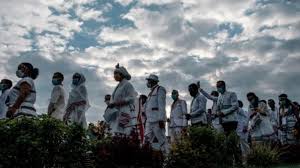
Revival Era: The Cultural Renaissance
1991: First public Irreecha after Derg: Millions gathered at Hora Arsadee, reclaiming cultural space and asserting Oromo identity. Cultural renaissance: The festival became a national platform to celebrate heritage and demonstrate organizational capacity. Reclamation of identity: The sea of people in white chanting "Hora Hora!" visually and audibly reclaimed positive Oromo identity. Establishment as national pilgrimage: The Oromia government recognized Hora Arsadee as the spiritual and cultural center of the Oromo nation.
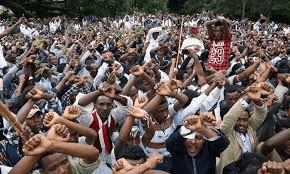
Modern Challenges: Martyrdom and a New Struggle
2016 Massacre: October 2, 2016, government forces attacked peaceful Irreecha participants with tear gas and live ammunition, killing hundreds and injuring thousands. Ongoing political significance: The massacre politicized Irreecha, turning it into a barometer of the Oromo people's relationship with the state. Platform for peaceful protest: Gatherings now express resilience and demand accountability for martyrs. Symbol of martyrdom and resilience: Hora Arsadee honors the victims as "Irreecha Martyrs," embedding their memory into the festival’s meaning and reinforcing the people's pledge to preserve culture and freedom.
The timeline of Irreecha illustrates the unbroken spirit, resilience, and enduring cultural identity of the Oromo people.