The Rituals and Celebration - Symphony of Faith
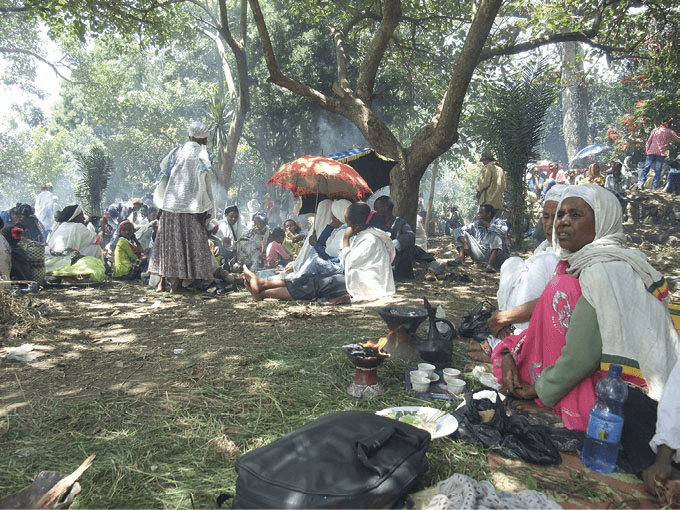
Pre-Ceremony Preparations: Purifying the Self and the Community
In the days leading up to the main ceremony, a vital process of spiritual and social preparation unfolds. This phase is as crucial as the main event itself, ensuring the community is worthy of presenting itself before Waaqa. Araara (Reconciliation): The foundation of Irreecha is peace. No one should approach the sacred lake bearing grudges or guilt. Families and neighbors actively seek out those they have wronged to perform Araara—a formal and heartfelt conflict resolution. This ritual cleanses the social fabric, replacing animosity with forgiveness and ensuring the community arrives at Hora Arsadee with pure hearts and unified spirits. Spiritual Cleansing and Purification: Individuals engage in personal reflection and prayer. Many observe rituals of physical cleanliness, such as washing, which symbolize the washing away of spiritual impurities from the previous year. This prepares each pilgrim to stand before Waaqa with a clear conscience and an open heart. Preparation of Traditional White Clothing: The iconic white attire (lobbadee) worn by millions is deeply symbolic. White represents peace, purity, and unity. Donning this simple, uniform clothing strips away social and economic distinctions, presenting a single, harmonious community to the creator. The act of preparing and wearing this clothing is a conscious step into a sacred role. Gathering Fresh Grass (Adda) and Flowers: The green grass (adda) and colorful flowers are not mere decorations. They are the central offerings of the festival. The grass symbolizes peace, prosperity, and the life-giving bounty of the earth. The flowers represent beauty, diversity, and gratitude. Each pilgrim carefully selects and gathers these fresh tokens from the environment, physically connecting them to the land they are about to thank.
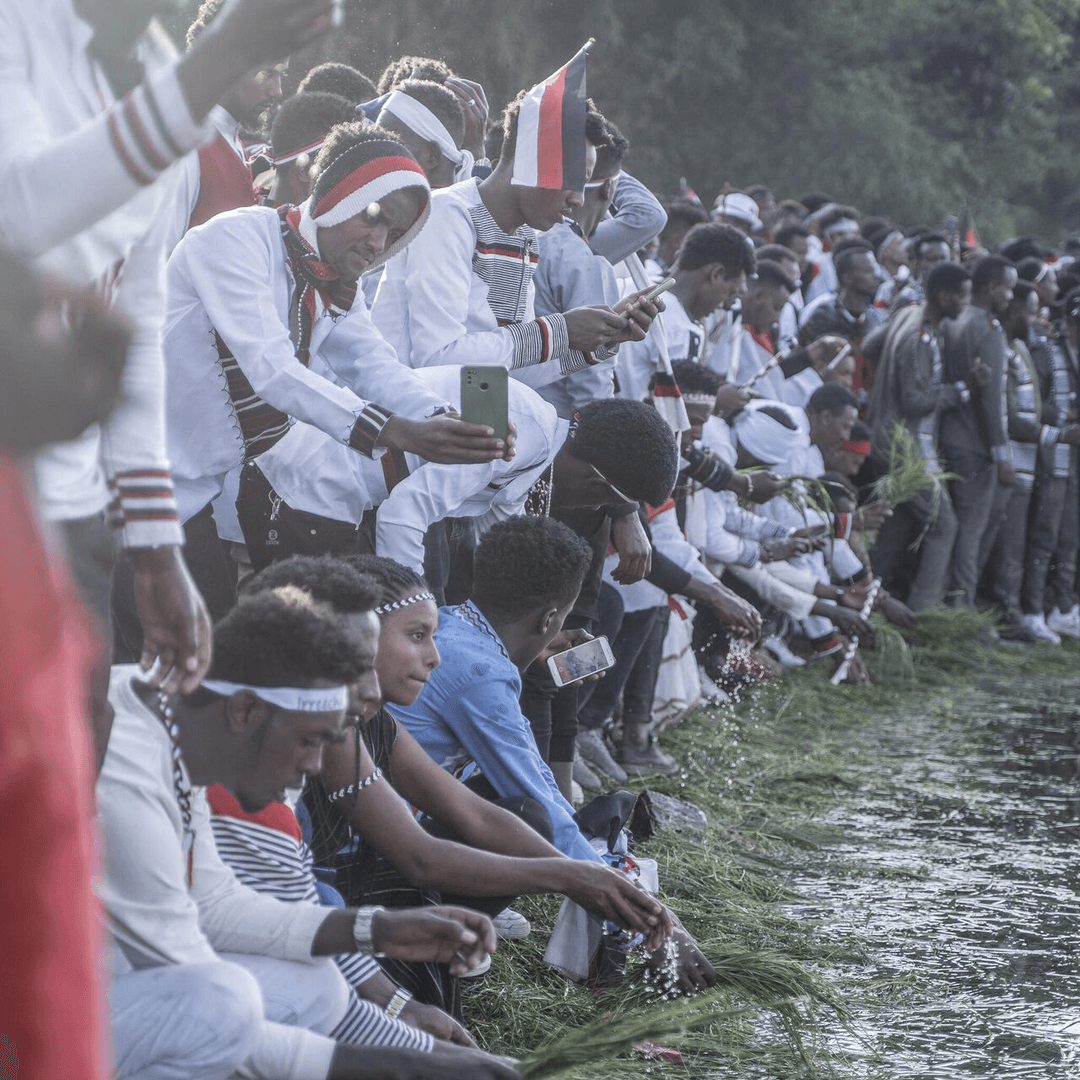
The Ceremonial Sequence: The Sacred Procession of Gratitude
Walargansiisa (The Gathering): The festival begins with a breathtaking visual spectacle. From all directions, millions of people converge on the natural amphitheater of Hora Arsadee, dressed in a unified sea of white. They carry the symbolic grass and flowers, while elders and women may hold the siqqee staffs, ancient symbols of Oromo law and female authority. The air hums with anticipation as the massive crowd assembles, a living testament to Oromo unity. Dheeffannoo (The Procession to the Lake): Led by the revered Abbaa Gadaas (fathers of the Gada system) and community elders, the multitude begins its slow, solemn descent towards the lake shores. This is accompanied by a powerful, rhythmic chant that rises to a crescendo: "Hora! Hora!" (Lake! Lake!). This chant is an expression of collective joy and a call to the divine. Interwoven with the chants are traditional hymns known as weedduu—poetic prayers that praise Waaqa, recount Oromo history, and articulate the people's hopes and gratitude.