The 2016 Tragedy - A Memorial of Martyrdom
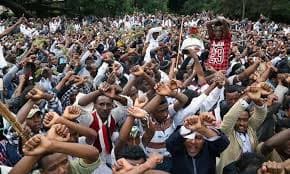
Background: A Tinderbox of Injustice
#OromoProtests: The Anatomy of a Rebellion The "Master Plan" as a Final Straw: The "Addis Ababa Integrated Master Plan" threatened to erase Oromo villages, gravesites, and farms, replacing them with condominiums and industrial zones. This fear was rooted in a long history of similar displacements. A Youth-Led Awakening: Spearheaded by the Qeerroo and Qarree, a tech-savvy generation used social media (#OromoProtests) to coordinate, document state violence, and demand self-determination, release of political prisoners, and an end to oppression. Broader Grievances: The protests highlighted the marginalization of Oromo language, exploitation of Oromia's resources, and cultural suppression that rendered Oromo heroes invisible.
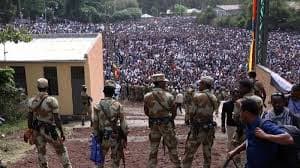
Political Tension and State Violence: A Regime's Siege Mentality
Escalating Crackdown: The EPRDF viewed the protests as an existential threat. A state of emergency gave security forces sweeping powers. Tactics of Terror: - Mass Arrests of students, farmers, and intellectuals. - Shoot-to-Kill Policy in towns like Ambo, Ziway, and Aweday. - Torture and enforced disappearances by Liyu Police. Creating a Pretext: State media spread fear, claiming "anti-peace forces" would incite violence at Irreecha.
Millions Gathered Under Tense Conditions: An Act of Defiant Faith
A Calculated Risk: Attending Irreecha was a conscious political act. Participants wrote wills, said goodbye to families, and resolved to stand their ground. Dual Purpose: The gathering was both a spiritual pilgrimage and a non-violent protest. Chants and weedduu hymns became expressions of political resistance.
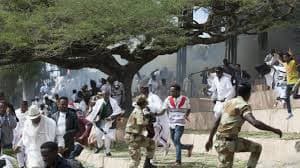
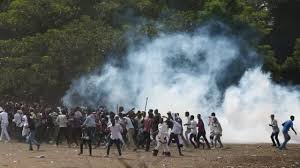
The Massacre: From Celebration to Carnage
Pre-Meditation and Deployment: Military units positioned on high ground turned Hora Arsadee into a killing zone. Escape routes were blocked. The Trigger: Tear gas canisters and live ammunition were deployed at the center of the crowd, causing panic. Mechanisms of Death: - Crush and asphyxiation due to stampede. - Drowning in the lake. - Blunt force trauma and gunshot wounds.
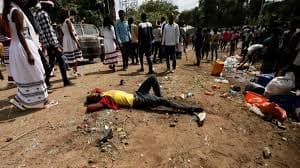
Aftermath: Trauma, Impunity, and Transformation
No Independent Investigation: Security forces were not prosecuted. Victims' families faced harassment. Deep Cultural Trauma: Spiritual desecration, collective grief, and intergenerational trauma struck the Oromo people. Hora Arsadee as a Memorial: Pilgrims honor both Waaqa and the Irreecha Martyrs. The site is a layered symbol of thanksgiving and martyrdom.
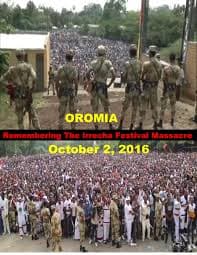
Never Forget: The Enduring Pledge
Memorial as Political Act: Remembering the massacre is a form of resistance. Art as Memory: - Music by Haacaaluu Hundeessaa. - Poetry and literature preserve the tragedy. - Visual arts depict the massacre. Culture as Resistance: The 2016 massacre proved that culture and political struggle are inseparable. The Oromo people's identity and spirit remain unbroken.