Cultural Symbols and Spiritual Leaders
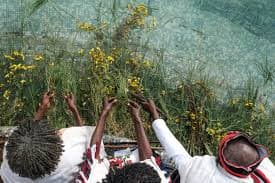
Key Symbolic Items: A Visual Language of Faith and Identity
Fresh Grass (Adda) & Flowers: The Covenant with Nature Symbolism: The green grass (adda) and vibrant flowers are the most central offerings. The grass symbolizes peace, prosperity, and the life-giving bounty of the earth. It represents the sustenance provided for both livestock and people. The flowers represent beauty, diversity, gratitude, and the fragility of life. Ritual Significance: The act of gathering these items before the ceremony connects the pilgrim directly to their environment. During the Tola Ooftuu ritual, the simultaneous sprinkling of millions of grass blades and petals onto the lake is a tangible act of giving back to Waaqa and nature. It is a non-verbal prayer for continued fertility and a symbolic renewal of the covenant between the Oromo people and the natural world they steward.
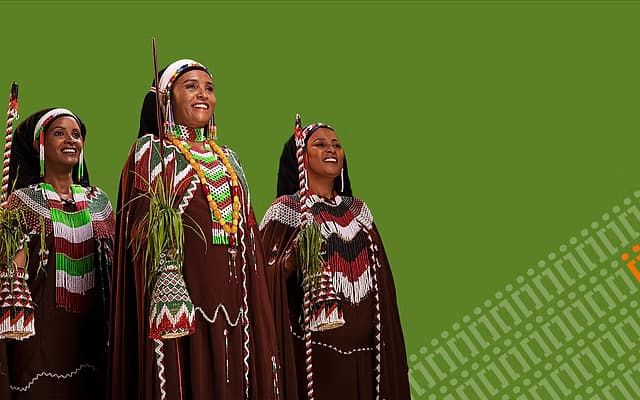
The Siqqee Staff: A Pillar of Law and Feminine Power
Historical Context: The Siqqee is a long, intricately carved or decorated wooden staff that predates the Gadaa system. It is the ultimate symbol of the Siqqee institution—a parallel system of governance where Oromo women exercised autonomous political and social power. Symbolism: The staff represents women's rights, justice, and the enforcement of Oromo law (Seera). At Irreecha, when women carry the Siqqee, they are not just participating; they are embodying their historic role as lawmakers, protectors, and the moral conscience of the community.
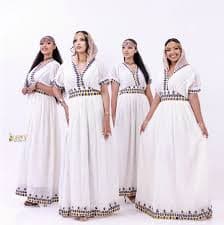
White Clothing (Lobbadee): The Garment of Unity
Symbolism: The sea of white attire worn by millions is a breathtaking visual representation of peace, purity, and spiritual readiness. White signifies a clean slate, free from the spiritual and social impurities of the past year. Social Significance: This uniform clothing is a powerful social equalizer. It deliberately strips away visible markers of wealth, social status, or regional origin. By dressing identically, every individual—from the Abbaa Gadaa to the youngest child—presents themselves as an equal member of a single, unified community before Waaqa.
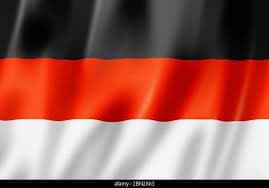
The Oromo Flag: Colors of a National Journey
The Tricolor and its Meaning: The Oromo flag, with its three horizontal stripes, is a ubiquitous and potent symbol of national identity at the festival. Black (Gurraacha): Represents the long and painful period of colonial subjugation and struggle (Gootumma - heroism). Red (Diimaa): Symbolizes the blood of martyrs shed throughout history to preserve their culture and land. White (Adii): Signifies the aspiration for peace and the hope for a just and peaceful future. The Tree (Muka Oromoo): Represents the rich natural resources of Oromia, the people's connection to their land, and the enduring vitality of Oromo culture and heritage.
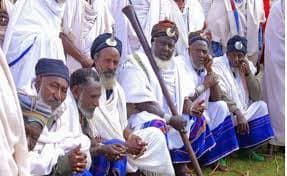
Spiritual Leaders: The Architects of the Sacred
Abbaa Gadaas: The Spiritual Legislators Role and Authority: The Abbaa Gadaas are the elected high priests and political leaders of the Gadaa system. They are men who have passed through a specific Gadaa grade that赋予s them spiritual authority. Function at Irreecha: They lead the procession, chant the ancient weedduu hymns, and offer collective prayers. Elders (Jaarsas): The Living Libraries Role: Custodians of Oromo history, law, and custom. Function: Advisors, ritual specialists, witnesses, guiding reconciliation and ensuring ceremonial accuracy. Kallachaa: The Vanguard of Protection Role: Young men of the warrior grade historically responsible for community defense. Function: Protectors of the festival and people, managing crowds and safeguarding the sacred space.